Field
Dirt, languages, and the network around the text
Documented field work is Isthmia and Wadi Natrun. Jerusalem is study, mentorship, and education around real sites — not a claim to have excavated Qumran.
- 2024Sagamore of the Wabash
- 2021Three Telly Awards
- 2020United Nations address
- 2017Museum of the Bible opens
- 2014Inaugural University Professor
- 1994NEH · Isthmia / Corinth
The scholar in the archive
Ancient historian. Program builder.
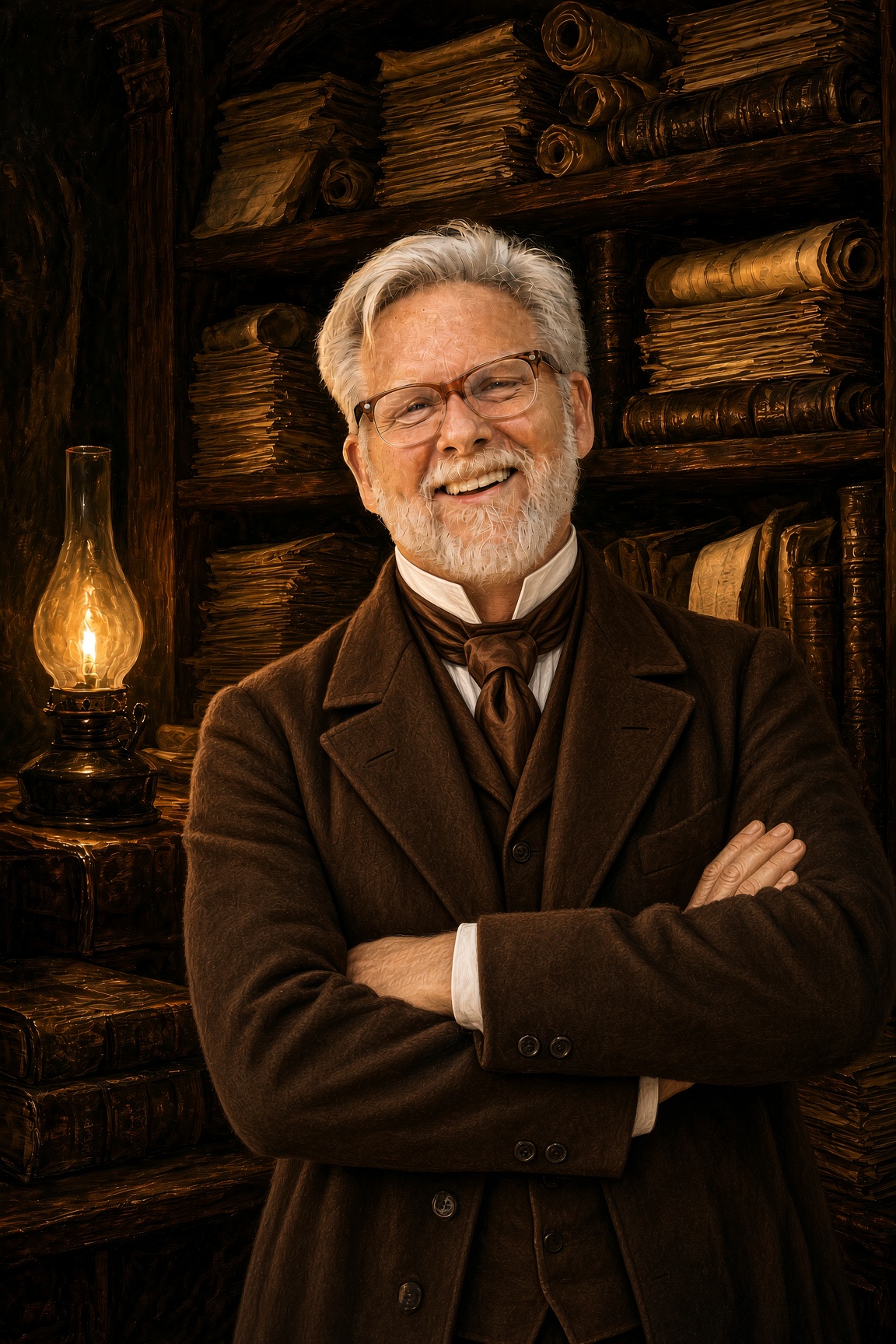
This is the painted study of Pattengale as field-and-library scholar — lamp, shelves, older research dress. It belongs on this page because the field, for him, was never only a trench. It was languages, mentorship under Gabriel Barkay and Edwin Yamauchi, and the rooms where manuscripts are read.
He put large manuscript collections, museum education, and international scholar networks in motion. He is not a career field archaeologist of Qumran. The Dead Sea Scrolls link is editorial and institutional: general editor, with Emanuel Tov, of Brill’s 2016 volume, and later Senior Advisor while MOTB hosted an authentic IAA exhibition.
At the table
Fragments, colleagues, the slow work
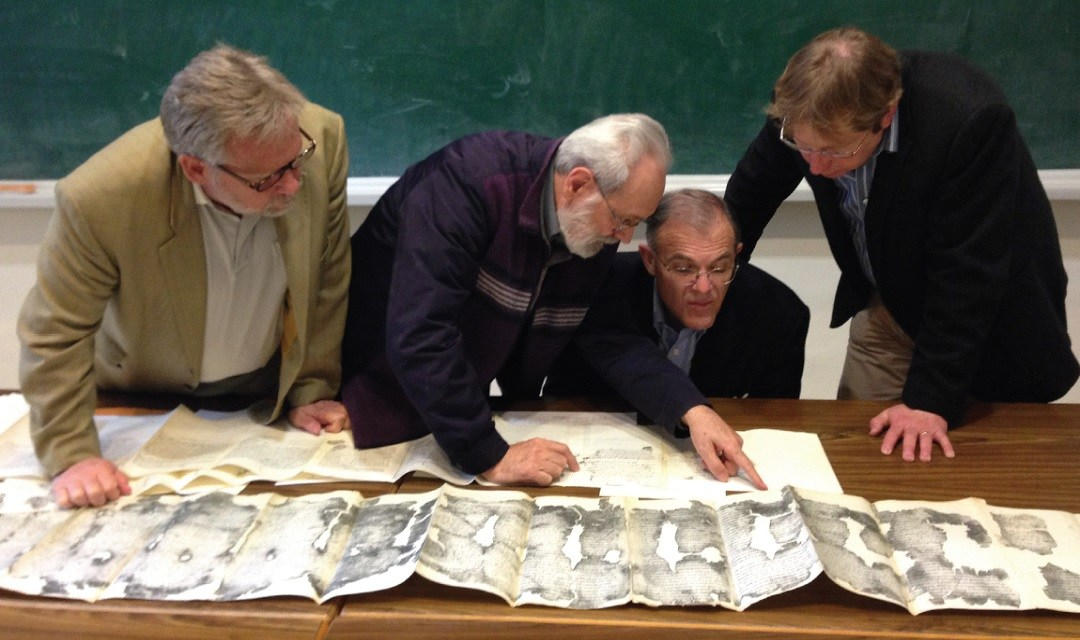
A working photograph: Pattengale (left) with colleagues over manuscript leaves spread on a table. This is the actual labor — looking, pointing, arguing about a reading — not a costume of adventure.
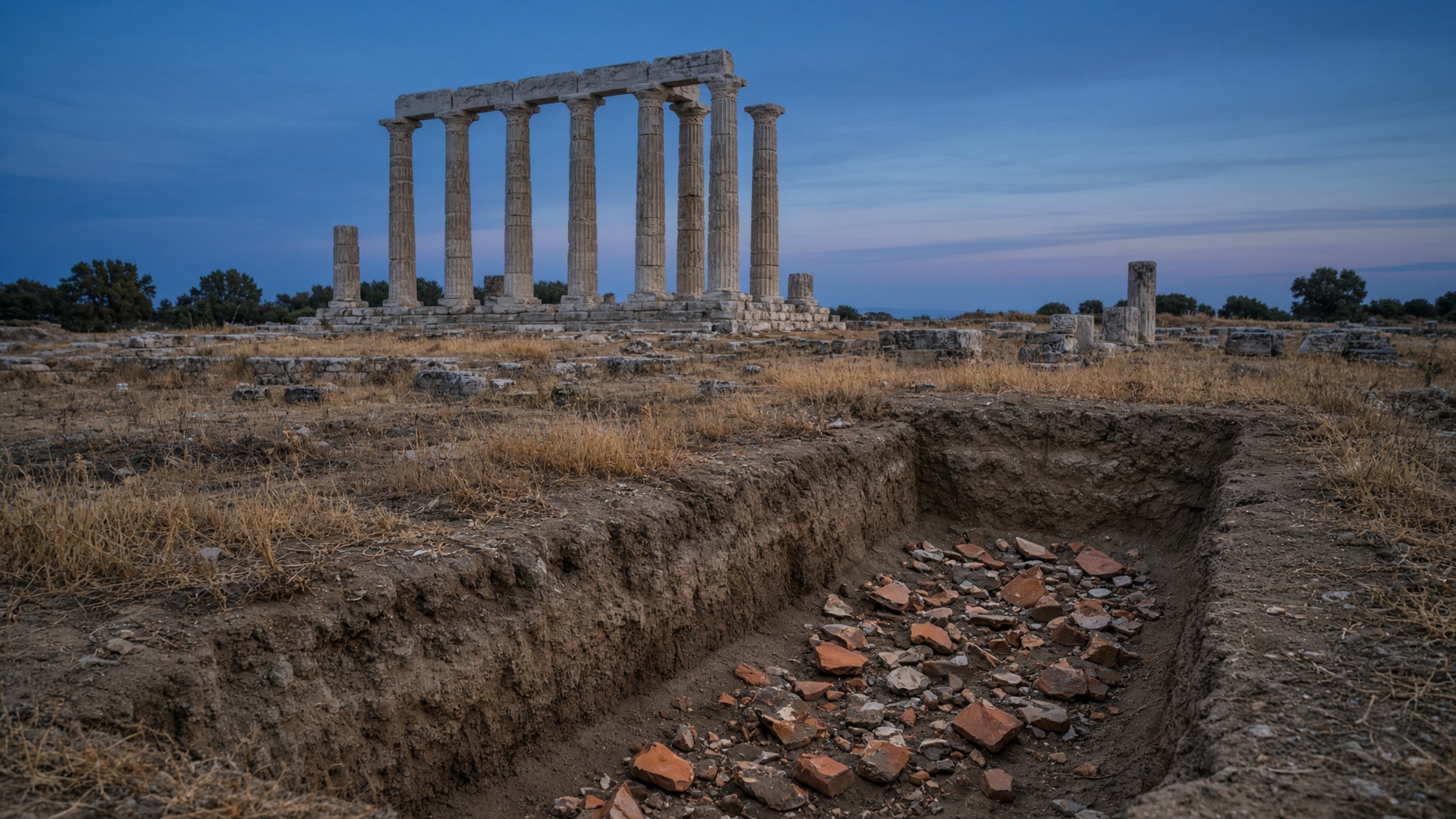
1994 · NEH
Isthmia / Corinth
National Endowment for the Humanities award for archaeology at Isthmia and Corinth, Greece. This is the documented classical excavation credential — dirt under the nails in the Greek world, not the Judean desert caves.
Mid-1990s · Scriptorium
Wadi Natrun, ancient Scetis
Co-director and founder of Odyssey in Egypt around the excavation at Wadi Natrun, with Scott Carroll and Bastiaan Van Elderen, under the Scriptorium. Early Christian monastic site work — Coptic desert, not Qumran.
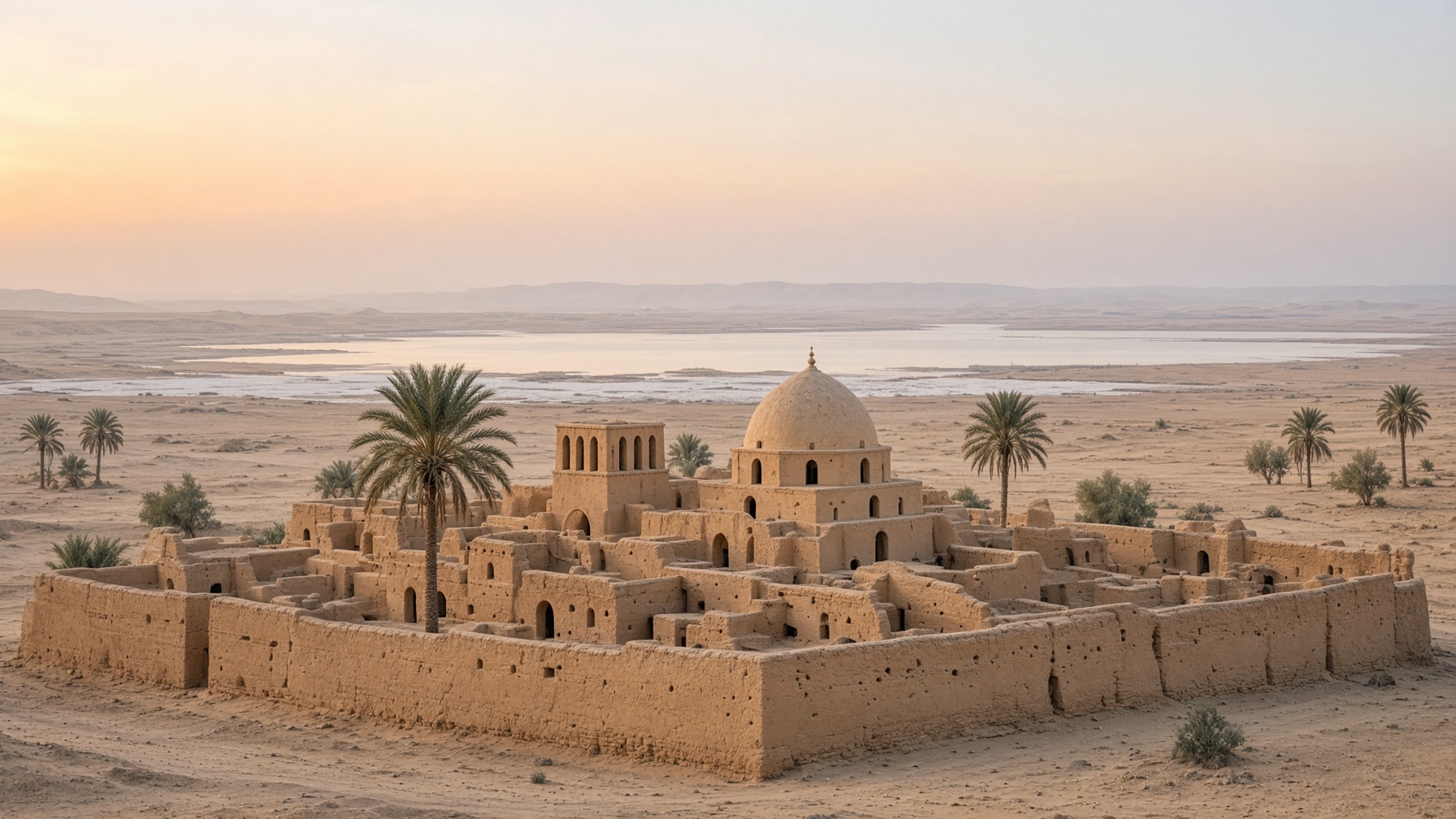
Jerusalem
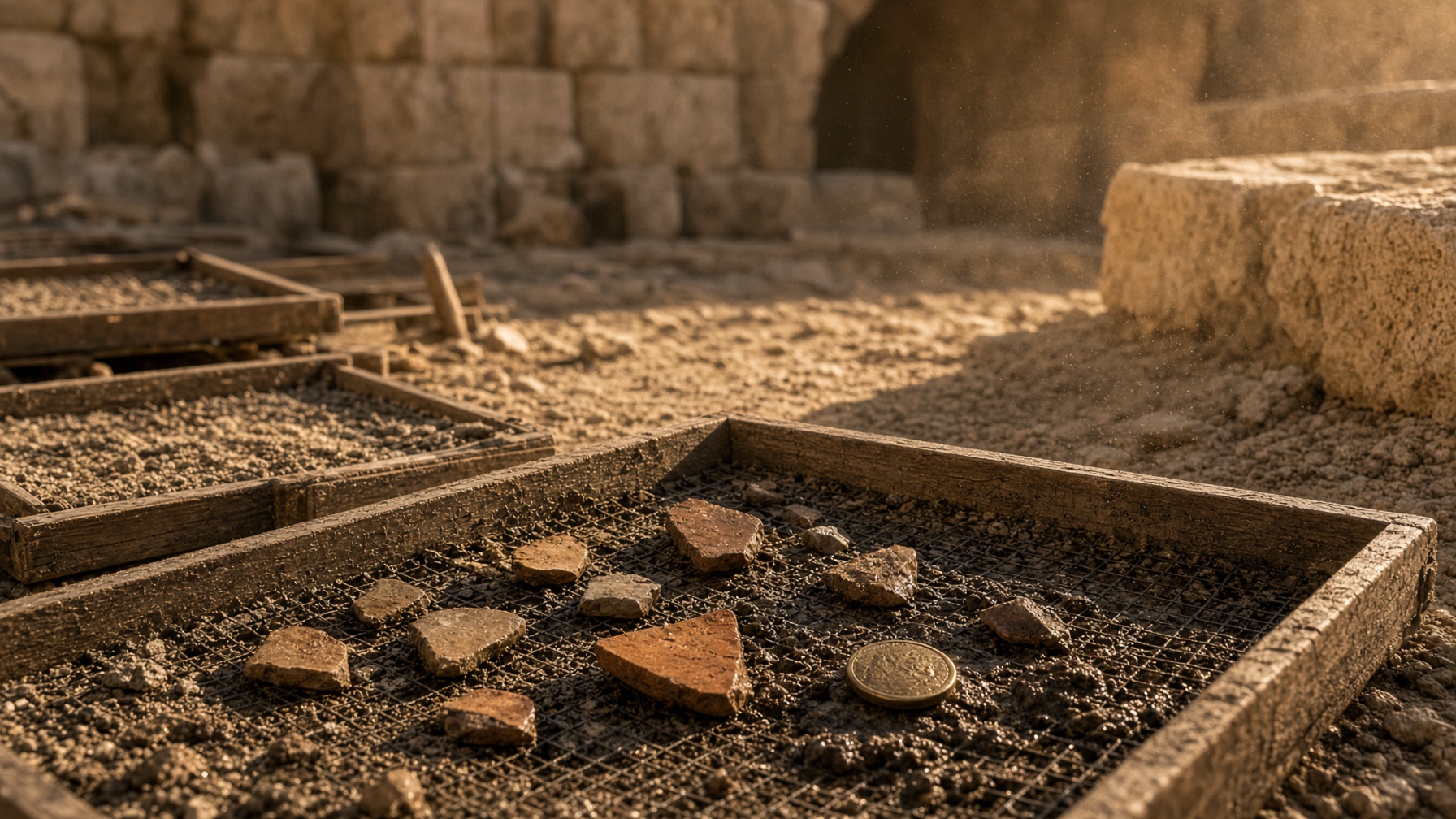
Study, Barkay, and the sifting trays
Semester at Jerusalem University College / Institute of Holy Land Studies, August 1977–January 1978. Later public work associates him with Gabriel “Gabi” Barkay and the Temple Mount Sifting Project as supporter and educator of volunteer archaeology — not as excavation director.
Under Barkay he studied the context of the Ketef Hinnom silver scrolls, discovered by Barkay in 1979. Those tiny amulets carry the Priestly Blessing from Numbers and are the oldest surviving fragments of a biblical text, late First Temple period, circa late 7th century BCE. Pattengale did not find them. He teaches the setting in which they were found.
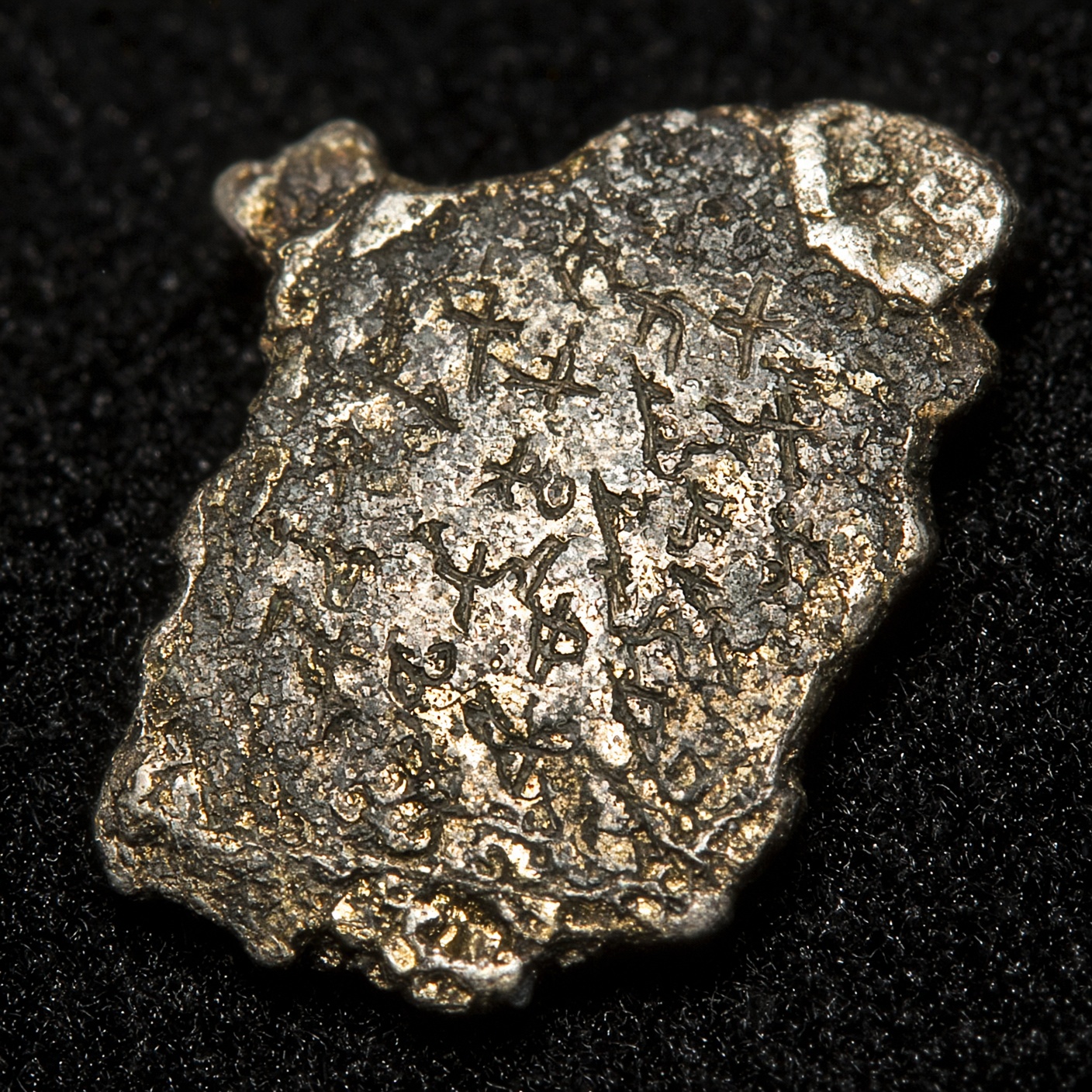
יְבָרֶכְךָ יהוה וְיִשְׁמְרֶךָ
The Priestly Blessing, Numbers 6 — the text on the Ketef Hinnom silver, taught here as history, not as ornament.
The rooms around the trench
British Library, Scriptorium, the lamp
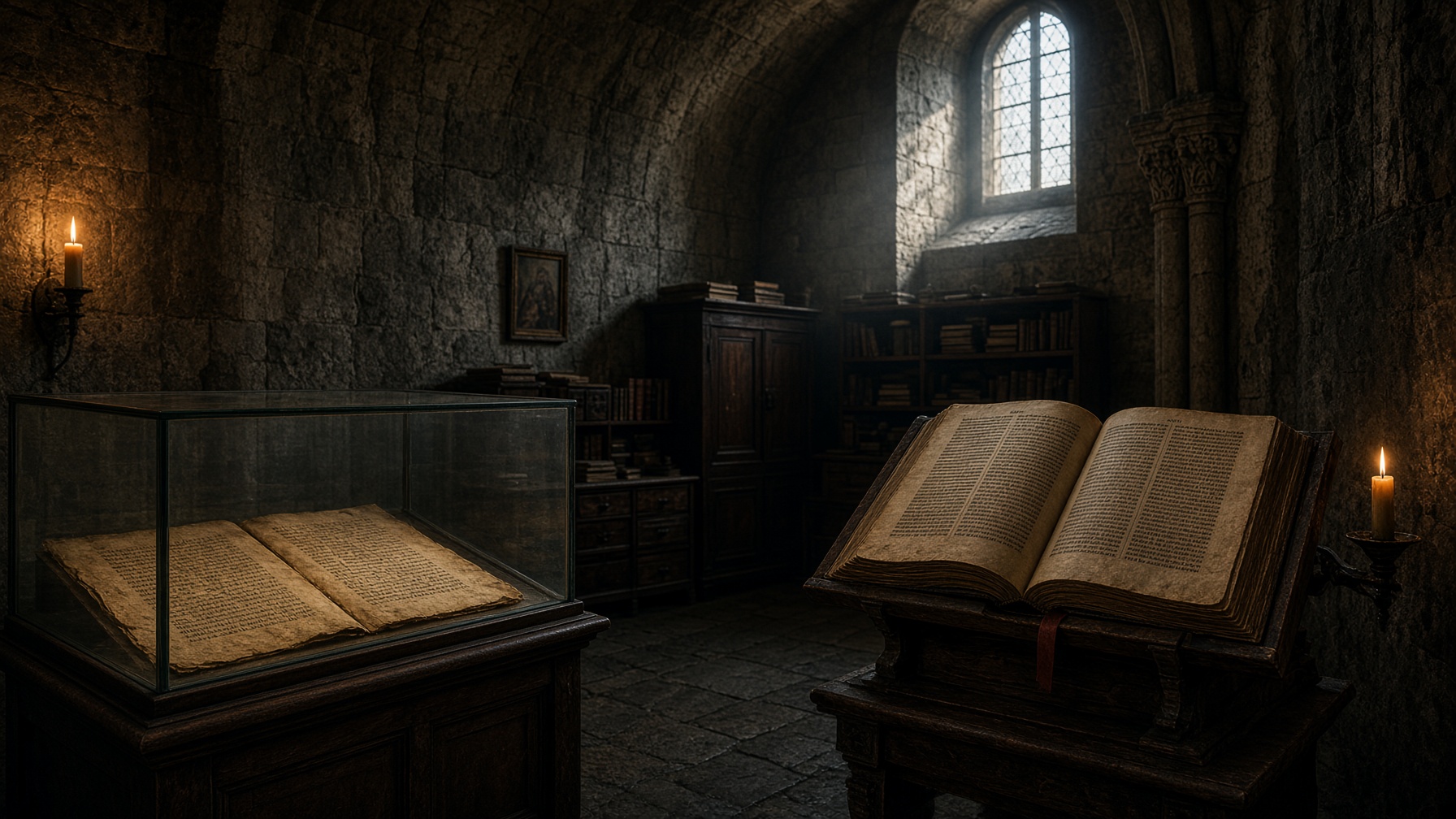
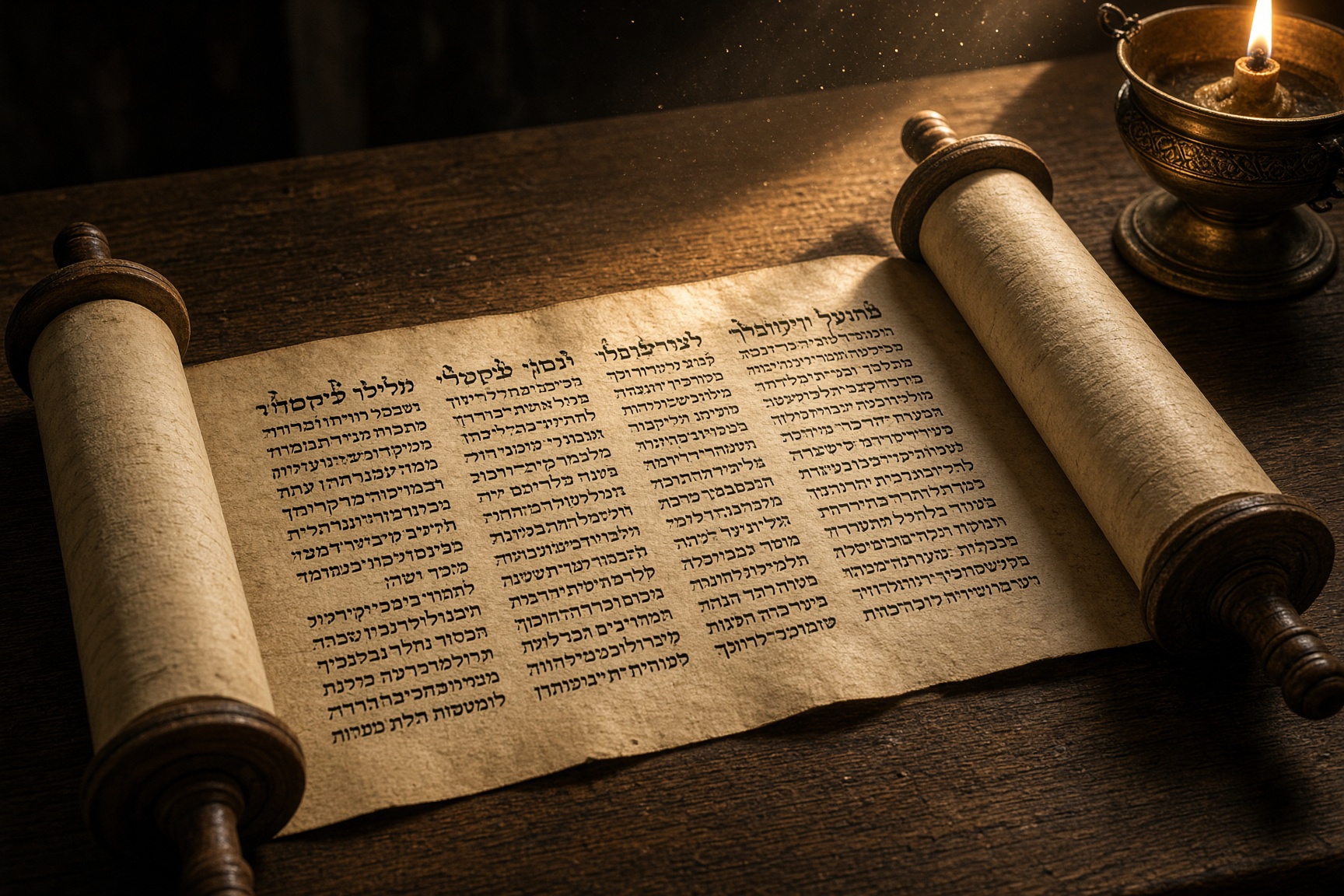
1996: a British Library presentation on manuscripts, in the Scriptorium / Van Kampen years. The field, for him, always had a second room — the archive, the polyglot, the case under glass.
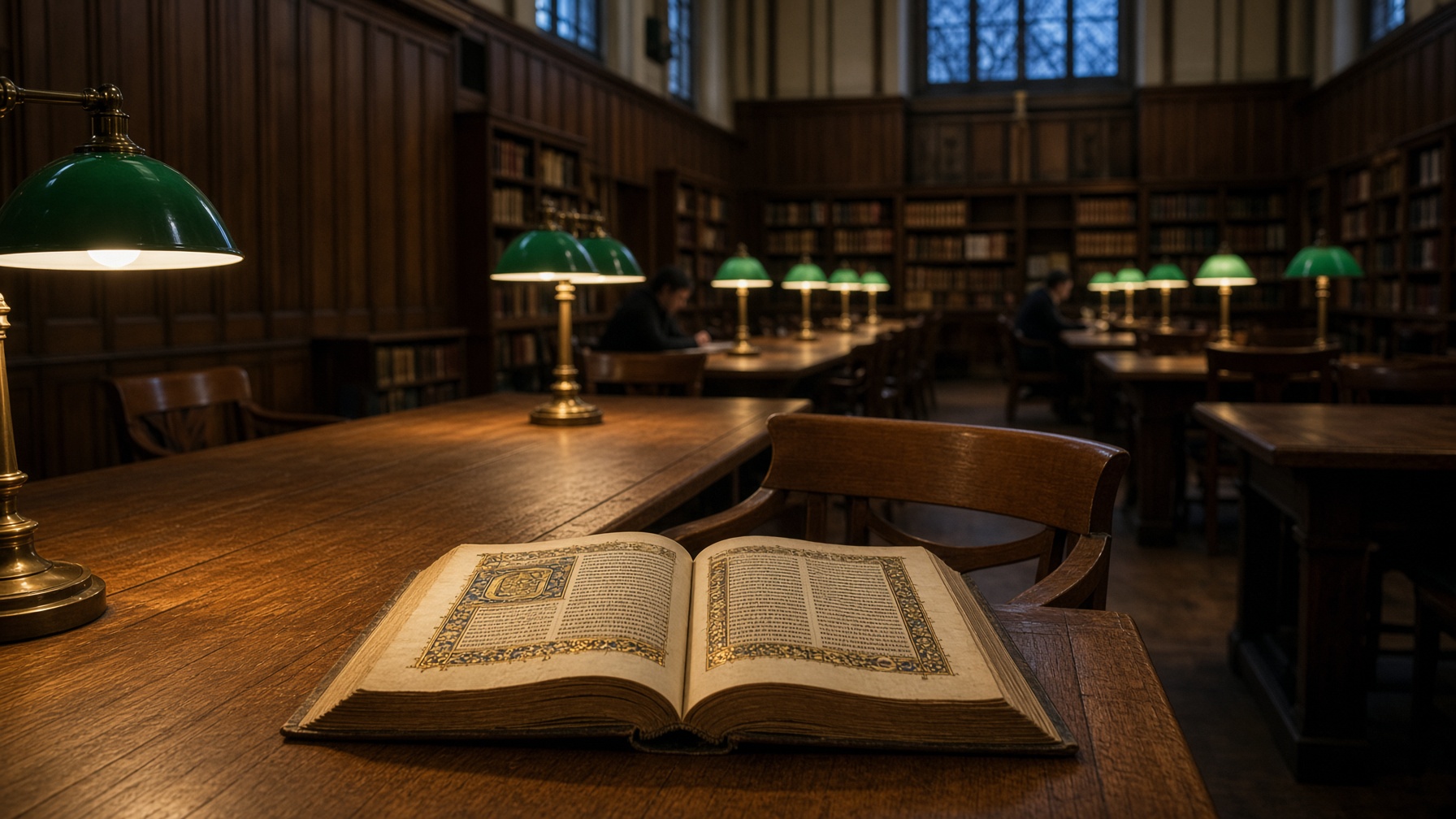
Manuscripts
Green Scholars Initiative
From 2010 he directed the Green Scholars Initiative, research arm of the Green Collection. Partnerships cited with the Vatican, the Israel Antiquities Authority, and Cambridge University Library. He was a program director and managing scholarly editor — students and faculty handling real papyri and artifacts — not a cave excavator.
2012: History Channel work on 101 Objects that Changed the World (Dead Sea Scrolls, Gutenberg Bible, King James Bible) and Vatican Verbum Domini exhibit support. MOTB later hosted an authentic IAA Dead Sea Scrolls exhibition (announced November 2025–September 2026). He is institutionally connected as Senior Advisor, not listed as exhibition curator.