Floor B1
All Creation Sings
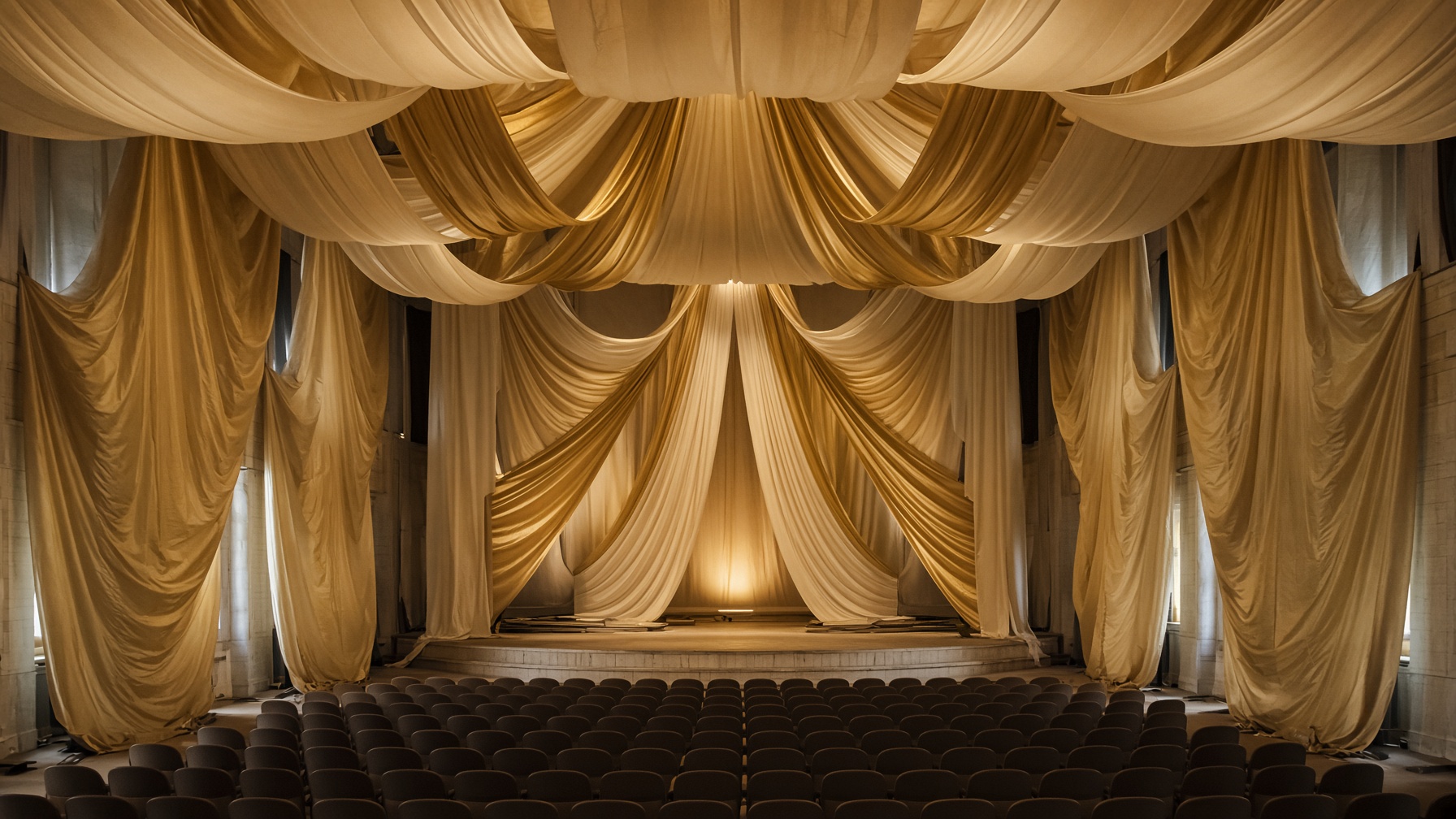
Immersive worship experience on the lower level — the museum as a place you enter with the senses, not only with a ticket.
Museum of the Bible · Washington, D.C.
400 4th Street SW. Opened 17 November 2017. One of two founding scholars. Executive Director of Education through the opening. Senior Advisor to the President from 2020.
The record
In 2010 Jerry A. Pattengale became one of two founding scholars of Museum of the Bible, with Scott Carroll. He established the international Green Scholars Initiative and served as Executive Director of Education through the public opening on 17 November 2017. He left that directorship in December 2018 and returned in spring 2020 as Senior Advisor to the President.
The building is the former 1920s refrigerated warehouse at 400 4th Street SW, three blocks from the U.S. Capitol. Lead architect: SmithGroup. Official museum figures: 430,000 square feet; eight levels including basements; about 170 feet from lowest level to rooftop; construction and property more than $500 million. Three permanent exhibit floors — History, Stories, Impact — plus galleries, theaters, a children’s experience, research labs, and a rooftop garden.
In August 2015, while he was building the scholarly and education arm, the museum announced a long-term alliance with the Israel Antiquities Authority. Floor 5 still carries that partnership.
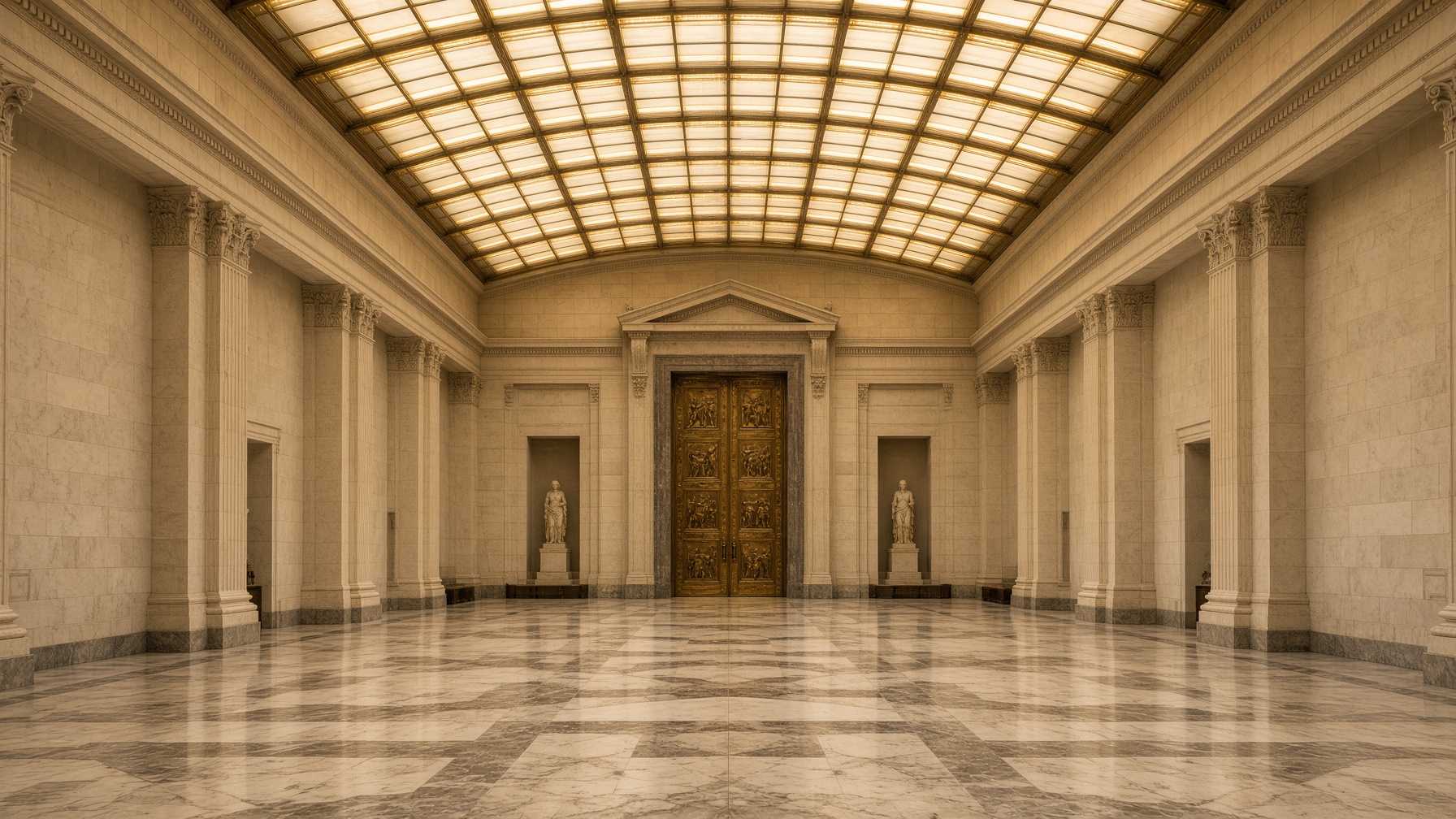
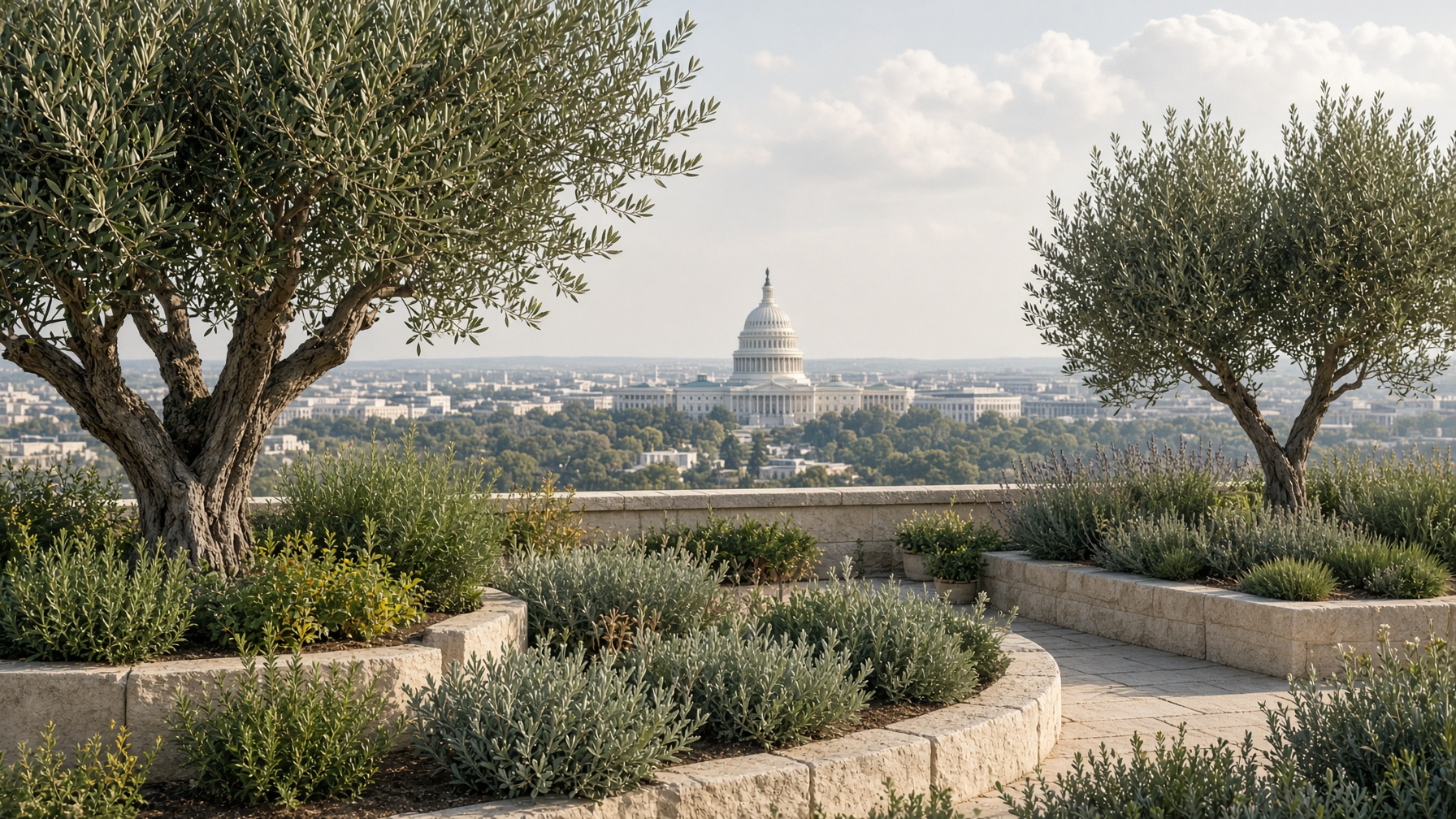
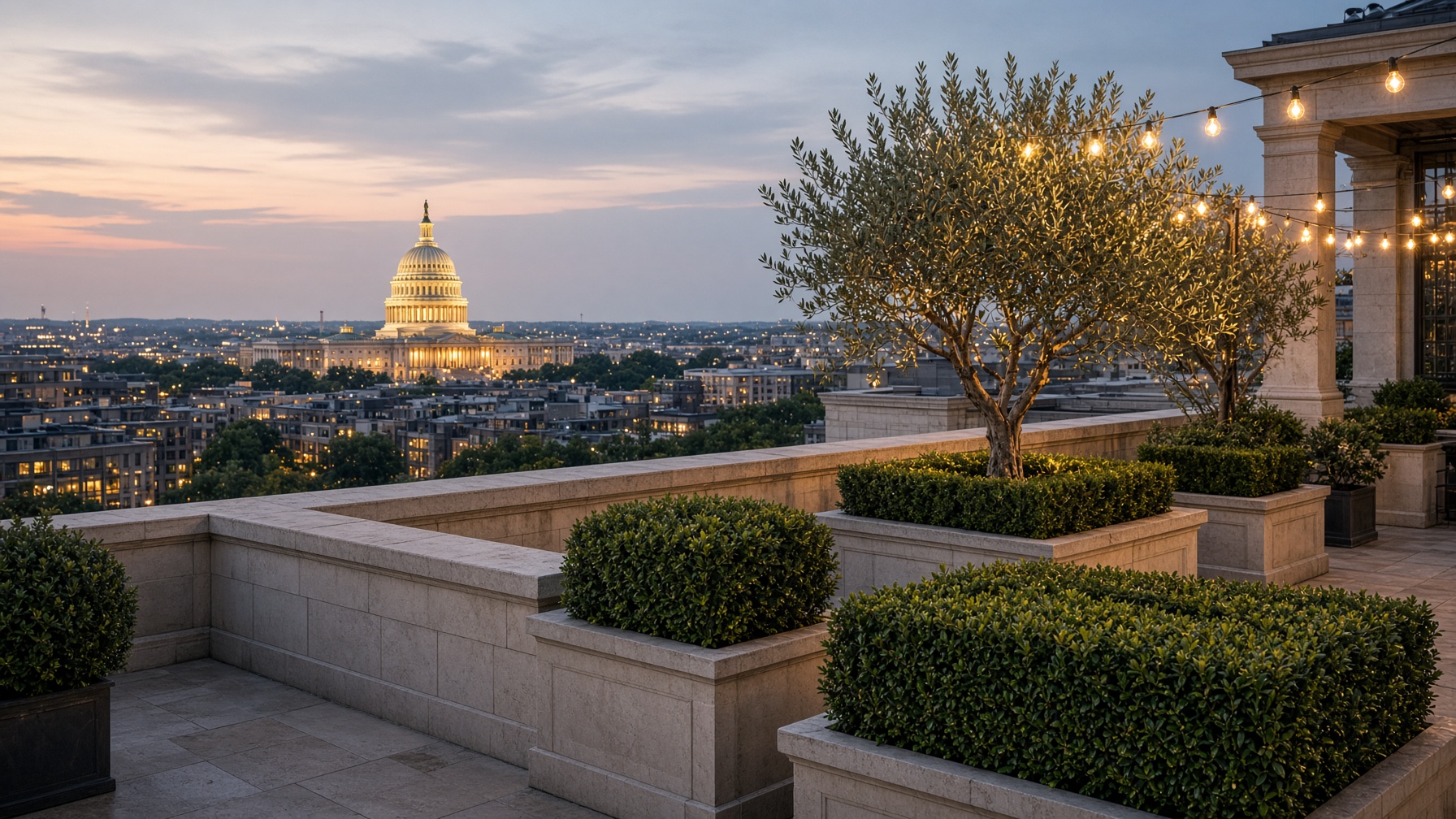
The doors, the nave, the garden
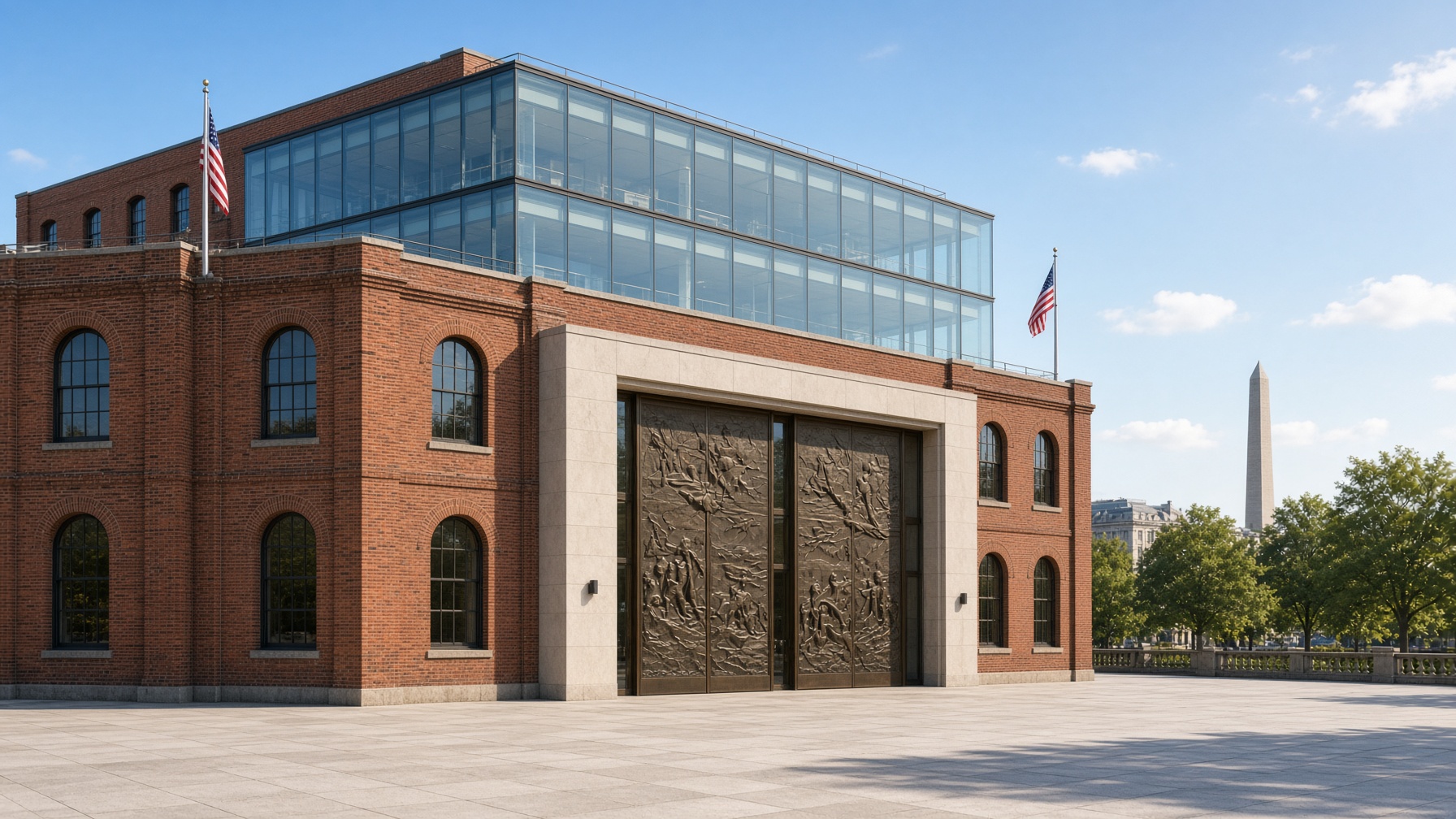
Education inside the machine
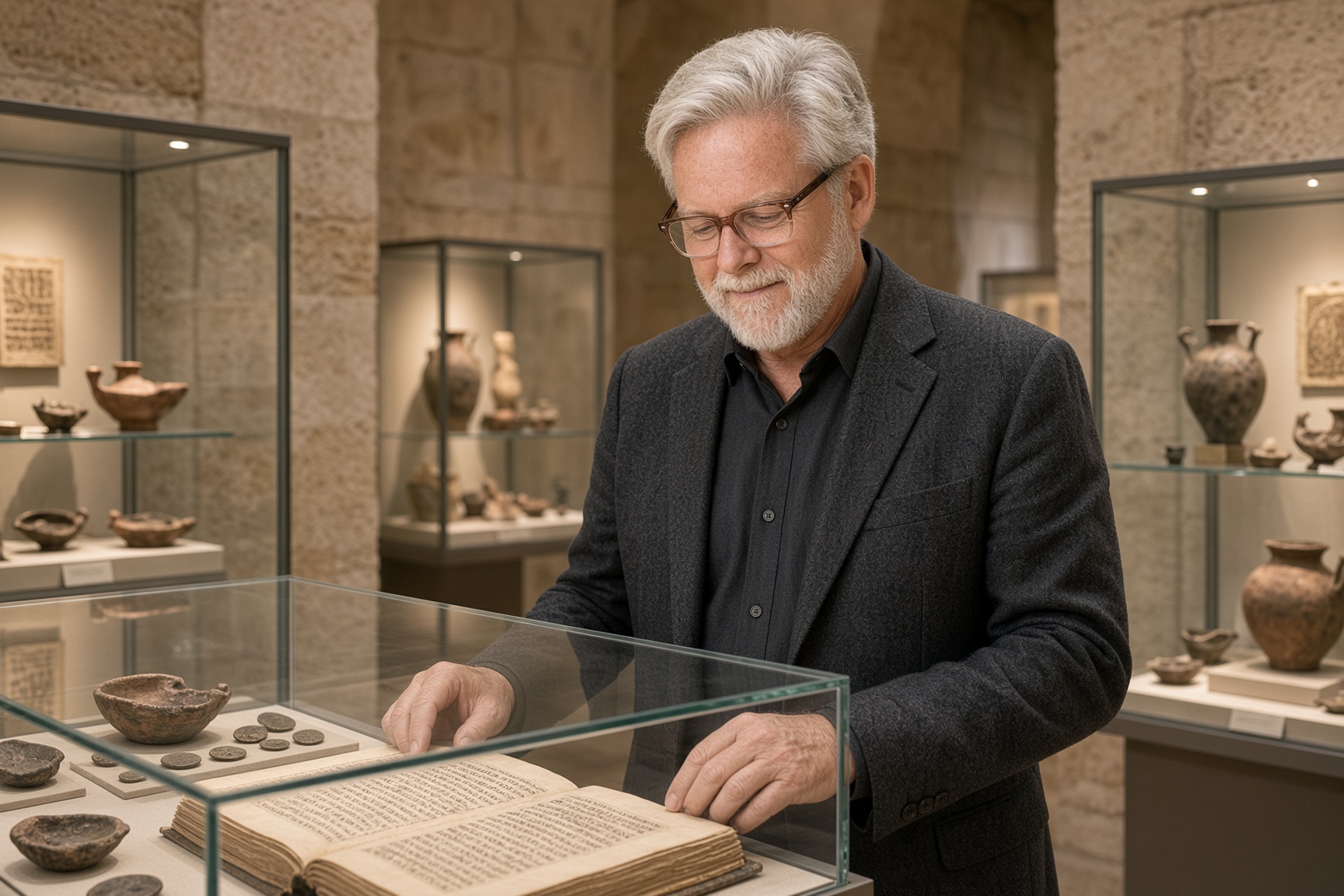
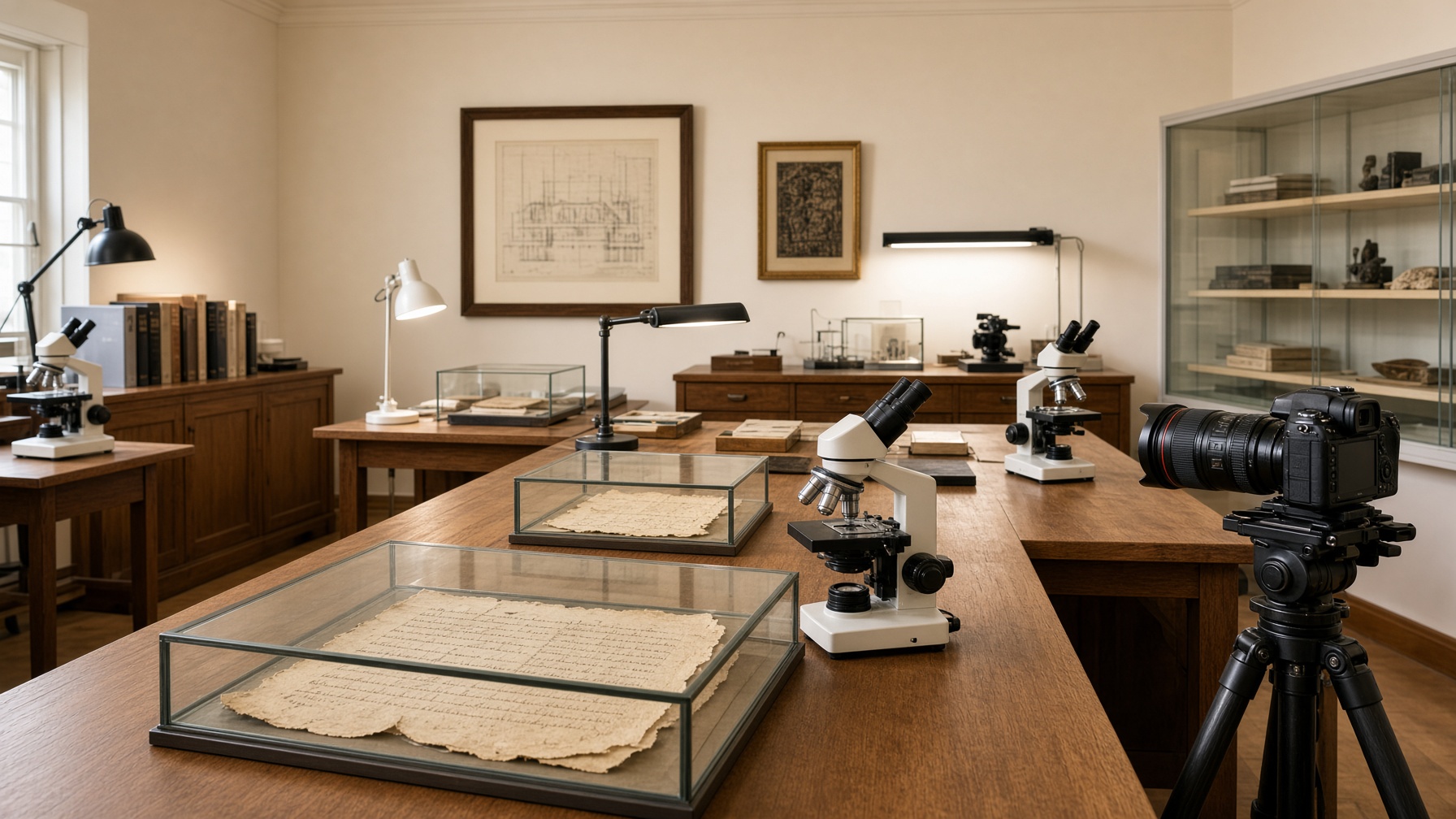
Give the public a tactile sense of the biblical timeline using peer-reviewed, state-sanctioned evidence. Give students and faculty a chance to work on real pieces rather than locking everything in a vault. That is the pedagogy he championed — galleries as classrooms, labs as extensions of the university. The Green Scholars Initiative was the research arm of that idea: Vatican, IAA, and Cambridge University Library partnerships; undergraduates and faculty on real papyri.
Floor by floor
Floor names and uses follow Museum of the Bible’s published overview. Original architectural stills; not MOTB marketing photography.
Floor B1
Immersive worship experience on the lower level — the museum as a place you enter with the senses, not only with a ticket.
Floor 1
The civic nave: limestone, marble, and a long luminous ceiling. Children’s galleries and a long-term Vatican Museums / Vatican Library presence. This is the room visitors remember.
Floor 2
Permanent floor on how the text has marked law, letters, art, and public life. Education’s public argument: the Bible is not only believed; it has been used.
Floor 3
Immersive narrative of the Hebrew Bible and the New Testament — walk-through spaces, theater, and first-century settings. Story as pedagogy.
Floor 4
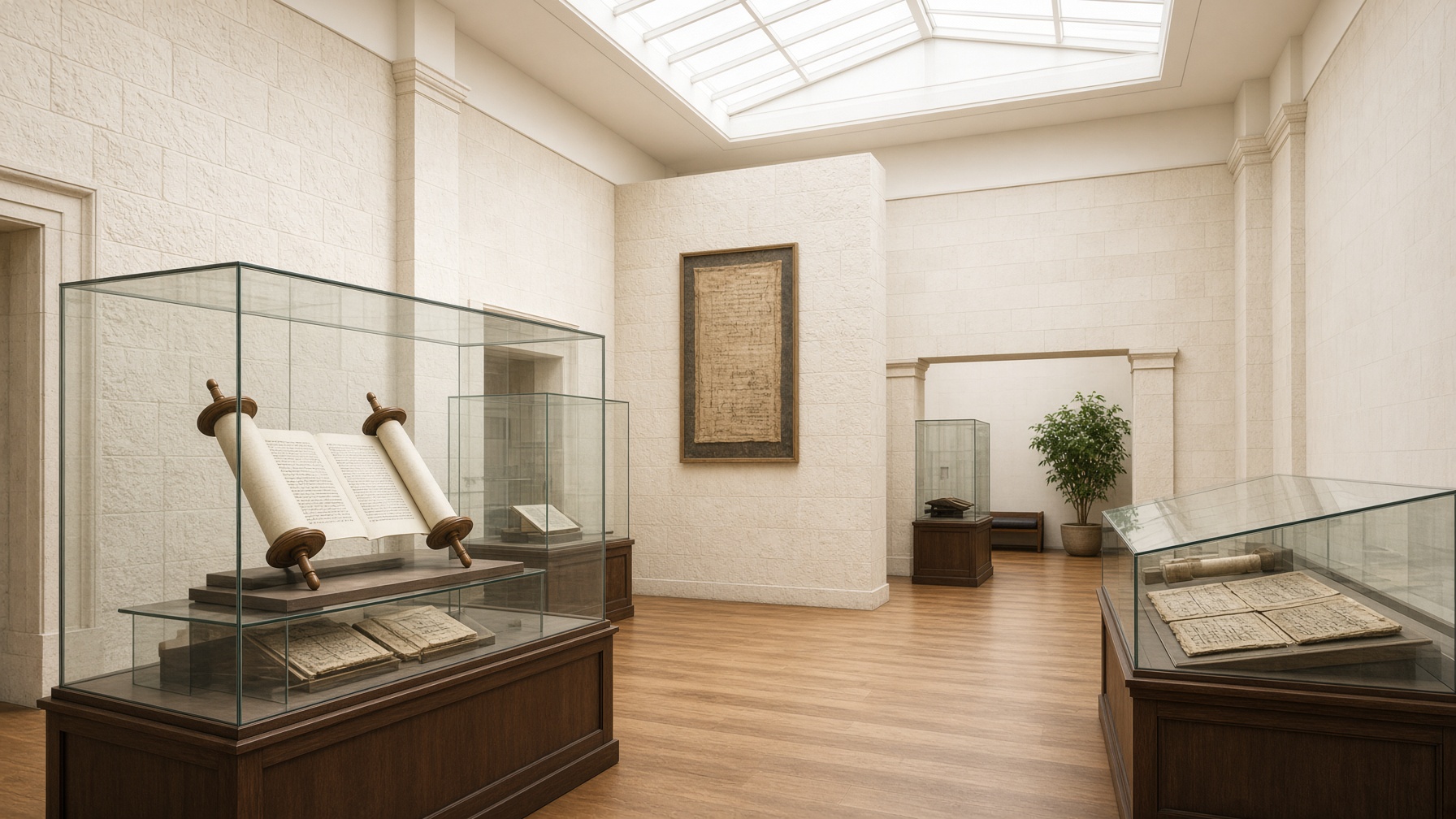
How the text was copied, canonized, translated. Hundreds of artifacts and media programs. Manuscripts, Torah scrolls, the slow work of transmission. This floor is closest to the scholar’s brief.
Floor 5
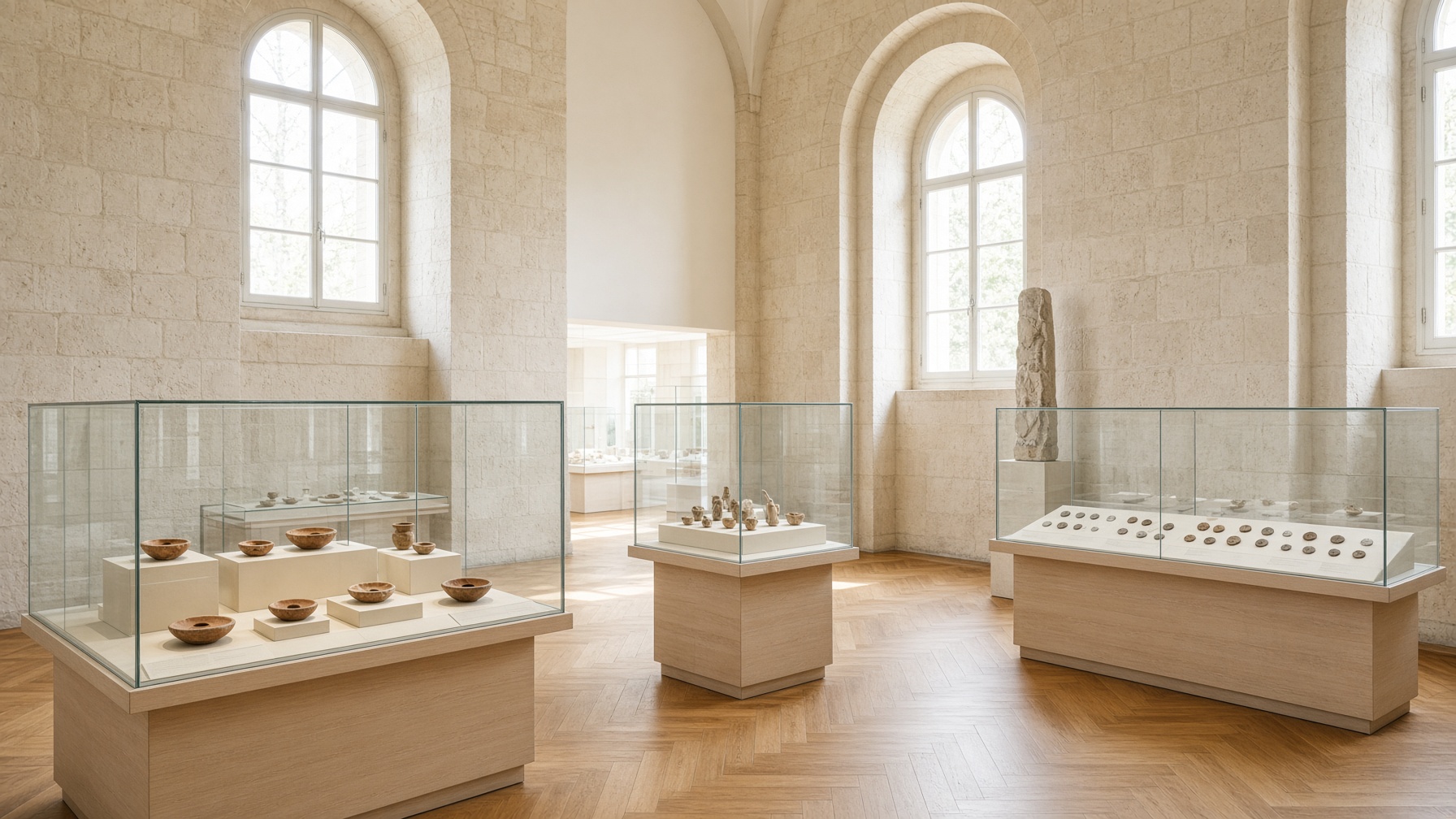
Long-term Israel Antiquities Authority gallery The People of the Land. World Stage Theater. The Scholars Initiative conference room — the research network Pattengale founded, written into the floor plan.
Floor 6
Rooftop garden and gathering rooms looking toward the Capitol. The museum as a neighbor of the American civic landscape, three blocks from the House.
Scrolls
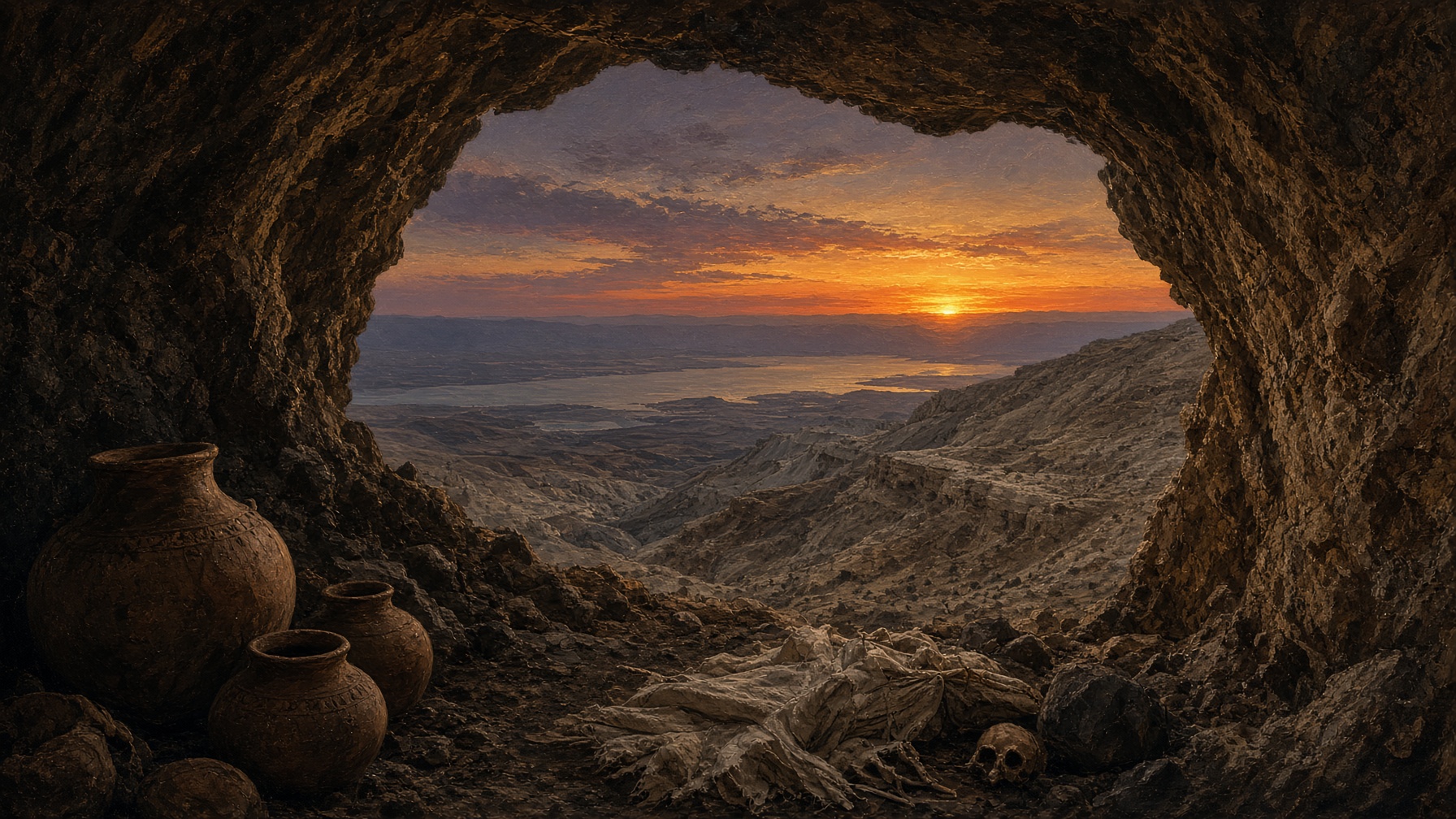
General editor, with Emanuel Tov, of Brill’s Dead Sea Scrolls Fragments in the Museum of the Bible Collection (2016). He was a program director and managing scholarly editor — not a Qumran cave excavator. Later, as Senior Advisor, he is institutionally connected to MOTB’s hosting of the authentic IAA exhibition “Dead Sea Scrolls: The Exhibition” (announced November 2025–September 2026). He is not listed as exhibition curator.
Official museum visitor guide